

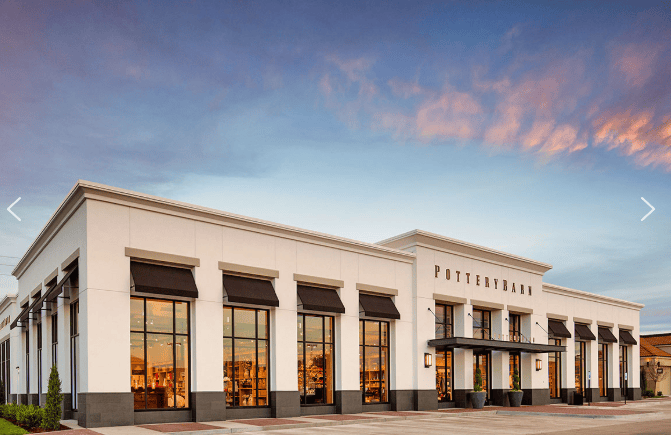
Commercial real estate decisions are often introduced through a property: a listing, a rendering, a lease opportunity, or a parcel with visible potential. But the strongest decisions begin one step earlier—with a clear understanding of what the real estate must accomplish.
For an owner-user, the property may need to support operations, employees, customers, equipment, and future growth. For an investor, it must produce durable income at an acceptable level of risk. Those objectives lead to different questions, different diligence, and sometimes different conclusions about the same building.
1. What must this property accomplish?
Start by defining the business or investment objective in plain language. Are you trying to reduce occupancy cost, control your location, create room for expansion, generate income, improve visibility, or hold a long-term asset?
A useful objective is specific enough to become a decision standard. Instead of asking whether a property is attractive, ask whether it supports the intended use, timing, capital plan, and long-term direction.
2. Is the intended use both allowed and practical?
Zoning is only the beginning. Confirm permitted use, conditional-use requirements, parking standards, signage, access, building configuration, occupancy limits, and any association or development restrictions. The physical space may look suitable while the regulatory or operational reality says otherwise.
Local agencies and qualified legal, architectural, and engineering professionals should verify these details during diligence. Early investigation can prevent a promising opportunity from becoming an expensive mismatch.
3. Does the location support the people who will use it?
Location should be evaluated through the needs of customers, employees, tenants, vendors, and daily operations. Visibility may matter for retail. Highway access and circulation may matter for distribution. Parking and ease of entry may determine whether a service business functions smoothly.
Consider the full pattern: surrounding uses, traffic flow, ingress and egress, public access, loading, nearby development, and how the area may evolve.
4. What is the true occupancy or ownership cost?
The asking price or base rent is only the headline. A disciplined comparison accounts for the complete economic picture.
- Base rent, purchase price, or land cost
- Common-area charges, triple-net expenses, taxes, and insurance
- Utilities, maintenance, security, and property management
- Build-out, tenant improvements, furniture, equipment, and moving costs
- Financing costs, reserves, and working-capital needs
- Expected downtime, permitting, and construction timing
Putting these items into one model makes competing opportunities easier to compare and reduces the chance that a lower headline number hides a higher long-term cost.
5. What physical condition and capital needs are present?
Commercial buildings can carry significant obligations in roofing, structure, HVAC, electrical capacity, plumbing, accessibility, fire and life-safety systems, paving, drainage, and environmental conditions. The right team of inspectors and specialists depends on the property type and intended use.
The purpose of diligence is not simply to identify defects. It is to understand cost, timing, responsibility, and whether the property still works after those realities are included.
6. For an investment, how durable is the income?
Current income matters, but so do the leases and assumptions behind it. Review tenant quality, lease terms, renewal options, expense responsibilities, rent adjustments, concessions, vacancy exposure, and near-term capital requirements.
A strong-looking return can change quickly when income is temporary, expenses are understated, or major improvements are approaching. Evaluate the cash flow together with the risks required to produce it.
7. What flexibility will you have later?
A commercial decision should be tested against more than the immediate plan. Can the space adapt if the business grows or contracts? Could it be divided, re-tenanted, expanded, or sold to another type of user? Are there restrictions that narrow future options?
Flexibility has value because business plans, financing conditions, tenant needs, and market demand change. A property that works today and preserves choices for tomorrow can be more resilient than one optimized for only a single scenario.
A disciplined tour starts before the tour
Before visiting properties, create a short written brief covering the objective, intended use, preferred location, size range, financial limits, timing, and non-negotiables. That brief keeps each tour focused and makes it easier to distinguish a strategic fit from an attractive distraction.
- Define the operating or investment objective
- Separate requirements from preferences
- Estimate the full capital and occupancy budget
- Identify the specialists likely to be needed
- Set clear diligence and decision criteria
From project vision to practical execution
Development concepts such as Mustang Central and Sterling Square illustrate an important principle: renderings can express the opportunity, but analysis determines whether the vision can work. Access, visibility, circulation, tenant experience, phasing, operating needs, capital, and long-term purpose all have to connect.
My involvement with developing commercial concepts reinforces the same discipline I bring to an acquisition or lease: start with the objective, test the assumptions, and structure the next step around real-world use.
Start with clarity
If you are evaluating an owner-user property, investment opportunity, lease, or commercial development concept, begin with a focused conversation about the objective and the constraints. The property search becomes far more useful once the decision framework is clear.
This article provides general real estate information and is not legal, tax, financial, engineering, or environmental advice. Engage qualified professionals for guidance specific to a property or transaction.


Leave a Reply