

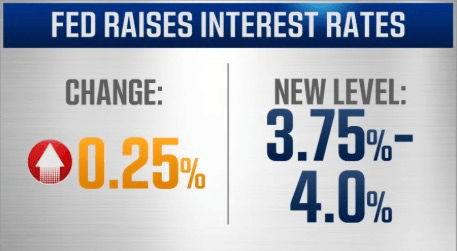
On September 16, 2026, the Federal Reserve raised its benchmark interest rate by a quarter percentage point—the first increase since 2023—bringing the federal-funds target range to 3.75%–4.00%. For my clients across Northern California, the useful question is not simply what happened in Washington. It is how the decision may affect a real monthly payment, the competition for a particular home and the leverage available in a negotiation.
There is no single Northern California market. A condo in San Jose, a move-up home in Dublin, new construction in Mountain House and an investment property near Sacramento can respond very differently to the same interest-rate headline. That is why I prefer to begin with the property, the neighborhood and the client’s goals—not a national prediction.
Fed policymakers unanimously supported the increase and indicated that another hike could follow before year-end. I would plan around today’s numbers and treat lower rates later as a possible benefit, not a promise.
The Fed does not directly set mortgage rates
Thirty-year mortgage rates are influenced more closely by longer-term bond yields—especially the 10-year U.S. Treasury—along with inflation expectations, economic growth and demand for mortgage-backed securities. NBC News reported that the 10-year Treasury yield had returned near its highest level since 2007 by Wednesday afternoon.
A quarter-point Fed increase does not automatically add a quarter point to a mortgage quote. In Northern California, where home prices can make even a small rate move meaningful, I recommend comparing actual loan scenarios: rate, points, temporary or permanent buydowns, cash to close and the full monthly payment.
What I am watching across Northern California
- Bay Area and South Bay: Higher price points can magnify the payment impact, but limited inventory may keep well-located homes competitive.
- Tri-Valley and East Bay: Dublin, Pleasanton, San Ramon and nearby markets can remain property-specific; condition, schools, commute and neighborhood supply still matter.
- Mountain House, Tracy, Lathrop and Manteca: Builder incentives and rate buydowns may become more important. I compare them with resale pricing, upgrade costs and long-term value.
- Sacramento region: Payment-sensitive price bands may show longer market times or more seller credits before the change is visible across the broader market.
- Investors: Higher financing costs require tighter underwriting of rent, vacancy, repairs, reserves and debt service.
Where a prepared buyer may gain leverage
The opportunity is not simply cash versus financing. Verified funds, a current preapproval, a thoughtful down payment and flexible closing terms can strengthen an offer—especially when a property has been sitting, returned to market, is vacant or belongs to a seller with a real deadline.
Depending on the property, a buyer may be able to negotiate:
- A lower purchase price
- Seller-paid closing costs or repairs
- A temporary or permanent mortgage-rate buydown
- Useful inspection and appraisal protections
- A closing timeline that better fits the buyer’s plans
A disciplined decision still comes first
Cash is valuable only when it is used strategically. I look at recent neighborhood sales, property condition, insurance, taxes, HOA costs, maintenance and the return that cash could earn elsewhere. For investors, I also stress-test the numbers rather than relying on optimistic rent or appreciation assumptions.
Refinancing later may help if rates decline, but the property, payment and reserves should make sense today. The strongest opportunities are likely to be individual homes and situations—not a region-wide fire sale.
My perspective
Headlines are useful context, but they cannot tell you whether a particular home is priced correctly or whether its terms fit your life. My role is to translate the market news into practical choices: what the payment looks like, where competition is changing, what can be negotiated and which risks deserve attention.
If you are considering a purchase, sale or investment in the Bay Area, South Bay, Tri-Valley, San Joaquin Valley or Sacramento region, I would be glad to walk through the numbers and the local market with you—without pressure.
 MaheesRealty
Leave a comment